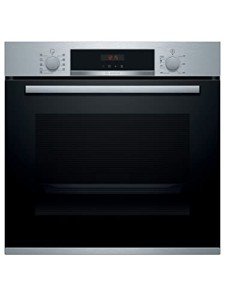
Understanding Self-Cleaning Ovens: A Comprehensive Guide to Types and Features
Self-cleaning ovens have actually become a staple in contemporary cooking areas, offering a hassle-free solution for preserving a clean cooking environment without the labor-intensive scrubbing. With numerous types and features readily available, picking the ideal self-cleaning oven can make a significant distinction in both cooking experience and kitchen health. Self Cleaning Oven System looks into the types of self-cleaning ovens, their systems, and crucial factors to consider for possible purchasers.
Types of Self-Cleaning Ovens
There are mainly four types of self-cleaning ovens, categorized based upon their cleaning methods. This category assists users understand how each type works and which may fit their requirements best.
| Type | System | Pros | Cons |
|---|---|---|---|
| Pyrolytic | High-temperature cleaning | Efficient on tough spots | High energy consumption |
| Steam | Uses steam to loosen up gunk | Environment-friendly, less energy use | May require regular water refills |
| Catalytic | Coated with catalytic product | Continuous self-cleaning | Finish can wear out with time |
| Self-Cleaning with Removable Part | Parts can be removed for cleaning | More extensive cleaning options | Not a complete self-cleaning oven |
1. Pyrolytic Ovens
Pyrolytic ovens make use of extreme heat, usually between 800 ° F and 1000 ° F, to incinerate food debris and grease within the oven cavity. The process reduces residue to ash, which can be easily cleaned away when the oven cools off.
Advantages:
- Highly reliable for baked-on spills and hard stains.
- Needs very little effort post-cleaning-- simply wipe the ash away.
Disadvantages:
- Consumes a significant amount of energy.
- The high temperature levels can trigger the outside of the oven to end up being hot, providing a possible safety risk.
2. Steam Ovens
Steam cleaning ovens operate by using steam to loosen up grime and food particles. This method involves introducing water into a heated chamber where it vaporizes, making it simpler to wipe away the loosened up particles.
Benefits:
- Eco-friendly option, using less energy compared to pyrolytic ovens.
- No severe chemicals are needed for cleaning.
Drawbacks:
- Regular water replenishment is required for the steam function.
- May not be as efficient on tough, baked-on spots.
3. Catalytic Ovens
Catalytic ovens are lined with panels that are covered with an unique catalytic material that absorbs grease and grime while baking. When the oven is heated to about 400 ° F, the finish activates and breaks down the grease.
Advantages:
- Offers continuous cleaning during routine cooking operations.
- Lowers cleaning frequency because the panels are created to break down spots.
Downsides:
- Coatings can diminish gradually, requiring panel replacement.
- Less efficient for really difficult deposits compared to pyrolytic cleaning.
4. Self-Cleaning Ovens with Removable Parts
Some ovens feature detachable parts, such as the oven rack or the bottom tray, making it simpler to wash those components individually while the primary cavity remains beautiful.
Benefits:
- Comprehensive cleaning options depending upon the user's preferences.
- Enables for more thorough maintenance of parts that may not reach high temperature levels.
Downsides:
- This alternative does not incorporate a complete self-cleaning system.
- Needs manual commitment to clean the detachable aspects.
Considerations When Buying a Self-Cleaning Oven
When looking to acquire a self-cleaning oven, numerous elements should be taken into account to ensure you get one that fits your kitchen requirements and way of life.
Cleaning Mechanism:
- Choose between pyrolytic, steam, catalytic, or a mix of removables based upon your cleaning preferences.
Capacity:
- Consider the size of the oven that will suit your cooking practices and kitchen area space.
Energy Efficiency:
- Look for models that adhere to energy efficiency requirements to save money on utility bills.
Safety Features:
- Ensure the oven has features that decrease the risk of burns, particularly in pyrolytic models.
Reduce of Use:
- Features like self-timers or push-button control options can boost the user experience.
Frequently asked questions
1. How typically should I utilize the self-cleaning function?
It is normally advised to utilize the self-cleaning feature each to three months, depending on use and the level of build-up.
2. Is it safe to use the self-cleaning function?
Yes, as long as safety preventative measures are followed. Ensure that the oven door remains locked during the cleaning process and keep pets and children away.
3. Can Self Cleaning Oven Features utilize routine cleaning items in a self-cleaning oven?
No, you ought to not utilize regular oven cleaners as they can damage the self-cleaning surfaces and the heating elements.
4. The length of time does the self-cleaning cycle take?
The self-cleaning cycle can take anywhere from 2 to 6 hours, depending upon the kind of oven and the cleaning method employed.
5. Do self-cleaning ovens have any drawbacks?
While self-cleaning ovens can conserve effort and time, they may take in more energy throughout the cleaning process, and some approaches may be less reliable on extreme spots.
Self-cleaning ovens provide an ingenious technique to keeping cooking area health and convenience. With different types available, each with its own benefits and drawbacks, it's vital for consumers to assess their cooking practices and requirements before purchasing. By comprehending the various cleaning mechanisms, possible buyers can pick an oven that will not just fulfill their culinary needs however likewise use long-lasting ease of maintenance and efficiency.